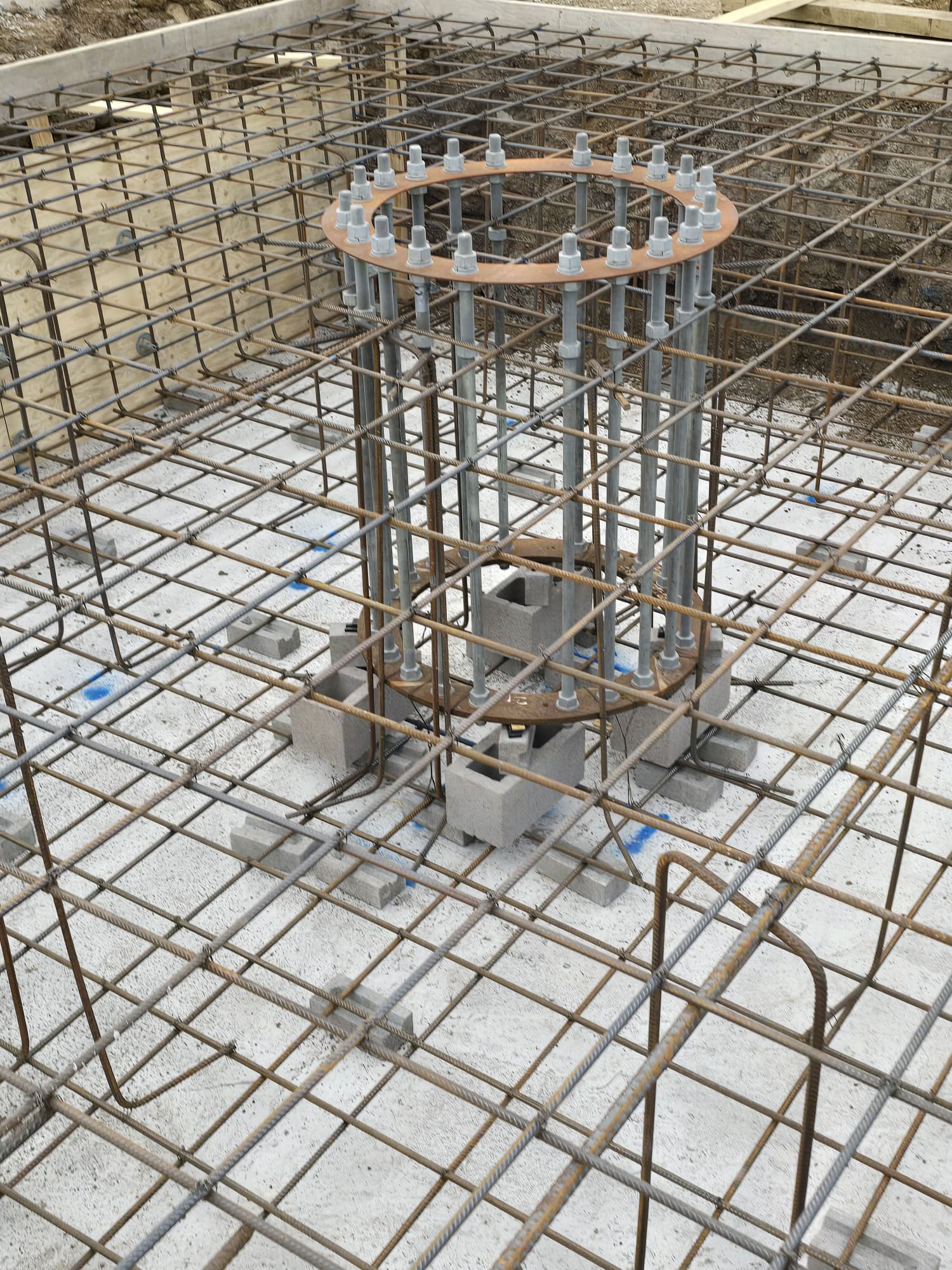
When surface soil can't reliably support a building, the foundation has to reach deeper. Two common ways of doing that are screw piles — steel piles wound into the ground — and bored piers, concrete piers cast into drilled holes. Both transfer load to more stable material below; they suit different sites, and an engineer selects between them based on the ground, the loads and site constraints.
Here's how they compare.
Why go deeper at all?
Standard footings spread load into the ground immediately beneath them. That works when the near-surface material is competent and stable. But across Melbourne you often meet ground that isn't: highly reactive clay that swells and shrinks, fill from previous site works, or soft material over better ground further down.
In those situations, deep foundations bypass the problem layer and found the structure on material that will actually hold it.
What are bored piers?
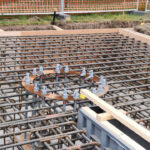
A bored pier is formed by drilling a hole to the required depth, placing reinforcement, and filling it with concrete. The pier transfers load through end bearing at its base and friction along its shaft.
Bored piers are well established, adaptable to a wide range of ground conditions, and the depth can be adjusted as drilling reveals what's actually down there. They're common on reactive clay sites, where piers reach beneath the zone of seasonal moisture movement.
What are screw piles?
A screw pile is a steel shaft with a helical plate, wound into the ground by machine. It reaches load-bearing material without excavating a hole, and installation torque gives an indication of the capacity achieved.
Screw piles tend to be quicker to install with less spoil, and they can be loaded relatively soon after installation since there's no concrete to cure. They suit sites where access is tight or where minimising excavation matters.
| Bored Piers | Screw Piles | |
| Method | Drilled hole, reinforced, concrete filled | Steel pile wound into ground |
| Spoil | Produces spoil to remove | Minimal spoil |
| Cure time | Concrete needs to cure | Can be loaded sooner |
| Depth flexibility | Adjustable as drilling proceeds | Driven to torque/depth |
| Ground suitability | Wide range, well established | Good in many soils; obstructions can be an issue |
| Access | Needs drilling rig access | Often suits tighter sites |
Neither is universally better — that's the recurring theme in foundation engineering. The soil report, the loads and the site constraints decide it.
What the engineer considers
Selecting between them comes down to:
- Ground conditions from the geotechnical report — what's down there and how deep the competent material sits
- The loads being carried, including uplift where relevant
- Site access and constraints — what plant can physically get in
- Nearby structures and services, including whether existing footings or underground assets restrict the options
- Authority requirements — some asset owners have specific rules about what foundation types are acceptable near their infrastructure
That last point is worth noting for anyone building near underground assets: an authority may not accept a particular pile type near its infrastructure, which can decide the question for you. Check the requirements before selecting a system.
Our residential structural engineering team designs deep foundations for homes on difficult sites, and our commercial and industrial team for larger structures.
Building on a difficult site? Talk to a Melbourne structural engineer about the right foundation system.
Frequently asked questions
What's the difference between screw piles and bored piers? Bored piers are concrete piers cast into drilled holes; screw piles are steel piles wound into the ground. Both reach deeper, more stable material, but they install differently and suit different sites.
Which is better? Neither universally. The ground conditions, loads, site access and any authority requirements determine the right choice — that's an engineering decision based on the soil report.
When do I need deep foundations? When near-surface soil can't reliably support the structure — highly reactive clay, fill, or soft material over better ground below.
Are screw piles faster? Generally they install quickly with minimal spoil and can be loaded sooner, since there's no concrete to cure. Speed isn't the only criterion, though.
Who decides which system to use? Your structural engineer, working from the geotechnical report and the site constraints.