A structural engineer designs the parts of a building that carry load — footings, slabs, beams, framing. A civil engineer designs the works around and beneath it — drainage, stormwater, site levels, roads and services. Structural engineering is generally considered a specialist branch within the broader civil engineering discipline, which is why the terms get used interchangeably. On most building projects, you need both.
Here's a plain-English breakdown of who does what.
What does a structural engineer do?
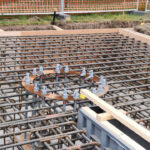
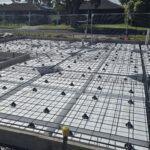
A structural engineer makes sure a building stands up safely under the loads it will experience — its own weight, the people and contents inside, wind, and ground movement beneath it. On a typical project they design:
- Footings and slabs
- Beams, lintels and columns
- Wall, floor and roof framing
- Connections between structural elements
- Retaining structures and remedial work to existing buildings
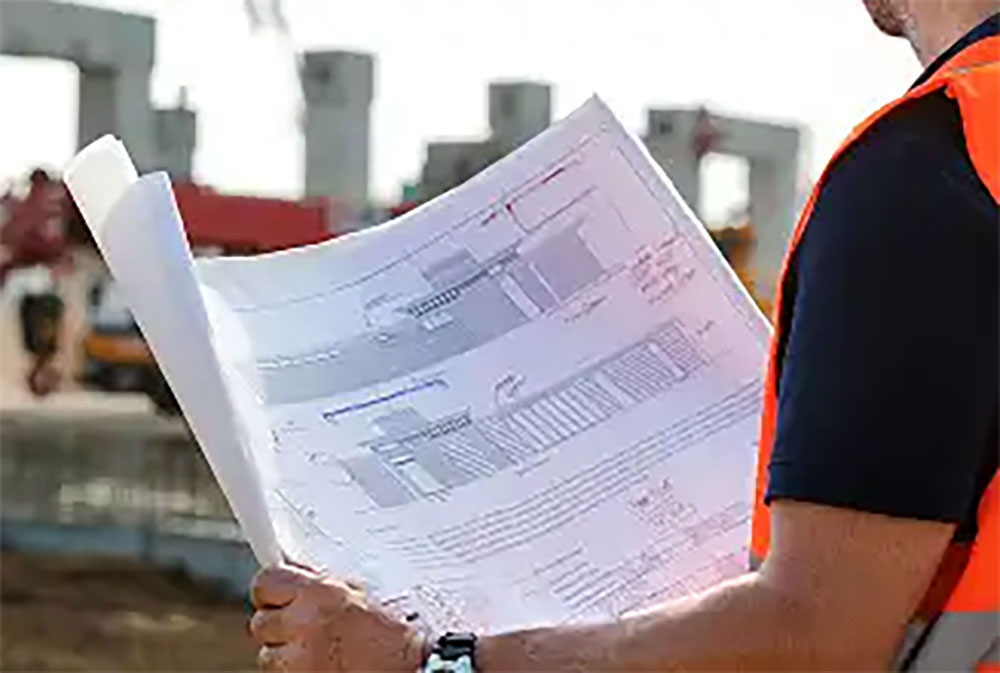
Their output is structural drawings and computations — the documentation your builder follows and your building surveyor needs for the permit.
What does a civil engineer do?
A civil engineer deals with the site and infrastructure side. On building projects that usually means:
- Stormwater and drainage design
- On-site detention and connection to the point of discharge
- Site levels, grading and earthworks
- Driveways, pavements and access
- Water-sensitive urban design features
Civil engineering also covers large infrastructure — roads, bridges, water supply, rail — but on a house or development, it's mostly the water and site works.
Simple way to remember it
Structural = the building. Civil = the site.
If it holds the building up, it's structural. If it moves water, shapes the ground, or connects the site to public infrastructure, it's civil.
Do you need both?
On most projects, yes — and they overlap more than people expect.
A new home needs a structural engineer for footings, slab and framing, and civil input for stormwater and drainage. A townhouse development needs structural design for the buildings and civil design for drainage, detention and site levels. Even a renovation can need both if it changes hard surfaces and roof water.
They also interact. Poor drainage causes soil moisture changes, which move footings, which cracks buildings — a structural symptom with a civil cause. That's a big part of why having both disciplines looking at a project together produces better outcomes than treating them separately.
What about geotechnical engineers?
A third specialist you'll meet: the geotechnical engineer investigates the ground itself — soil testing and site classification. Their report is the input your structural engineer uses to design the footings. Different role, essential step.
What about building surveyors and architects?
Rounding out the team: the architect or building designer designs the spaces and how the building looks and works; the building surveyor assesses the building work against the regulations and issues the permit. Engineers design the technical systems that make the design buildable and compliant.
Choosing a consultant
Some firms offer only structural, some only civil. A practice that does both can coordinate the two so drainage, levels and footings are resolved together rather than in isolation.
QED Consulting Engineers provides both structural engineering and civil engineering for residential, commercial and industrial projects across Melbourne. You can read more about our team and approach.
Not sure which you need? Talk to a Melbourne engineer and we'll point you in the right direction.
Frequently asked questions
What's the difference between a structural engineer and a civil engineer? A structural engineer designs the load-carrying parts of a building; a civil engineer designs site and infrastructure works like drainage, stormwater and levels. Structural engineering is a specialisation within the broader civil field.
Do I need both for my project? Usually. Most building projects need structural design for the building and civil design for stormwater, drainage and site works.
Is a structural engineer a type of civil engineer? Broadly, yes — structural engineering is generally regarded as a specialist branch of civil engineering, though structural engineers focus specifically on buildings and load-bearing structures.
Where does a geotechnical engineer fit in? They investigate the ground and classify the site. That report is what the structural engineer uses to design your footings.
Can one firm do both structural and civil? Yes — and it helps, because drainage, site levels and footings can be coordinated together rather than handled in isolation.